
Make a real difference today


During the last ten days of Ramadan, many Muslims around the world prepare to enter a state of worship and reflection known as Itikaf. But what is Itikaf and how do you perform it? We will be exploring the topic of Itikaf, how to perform Itikaf and the rewards behind it.
We will also be looking to cover the intention for Itikaf, and guidance on Itikaf for women who can also take part in this act of devotion.



The word Itikaf derives from the Arabic root, which means ‘to isolate’ or ‘be devoted’ to something. In practice, Itikaf would involve secluding yourself – usually in a mosque (or a dedicated space at home for women), to seek closeness to Allah through the means of worship, reflection, and remembrance of Allah (dhikr). The Prophet Muhammad (Peace be Upon Him) used to observe Itikaf regularly during the last ten days of Ramadan, seeking Laylatul Qadr (the Night of Power), which is better than a thousand months. Performing Itikaf is a spiritual journey that allows Muslims to step away from worldly concerns and fully immerse themselves in the remembrance of Allah.
Niyyah, which is the intention for Itikaf, is a vital part of the act of this worship. Performing Itikaf begins with the Niyyah. Whilst you may not need to say it out loud, your heart must be firmly set to dedicate this time to worshipping Allah.
You may be wondering how to make an intention for Itikaf. It’s simple really. When entering the mosque or your designated place for Itikaf, you must say in your heart (or verbally, if preferred) that you intend to perform Itikaf for the sake of Allah during the last 10 days of Ramadan. This conscious decision to devote yourself to worship and spiritual purification should be made at the beginning of Itikaf, ideally before sunset on the 20th day of Ramadan.
Your focus of Itikaf is to worship Allah and gain as much reward as you can during those last 10 days of Ramadan. Below is a list of things you could do when performing Itikaf.
Maintaining your obligatory 5 daily prayers is vital when performing Itikaf. It is also recommended to pray the Sunnah prayer after each imposed prayer.
You can spend your time praying additional rak’ahs (two by two) as many times as you want. This is also the perfect time to make up for any of your missed prayers in life.
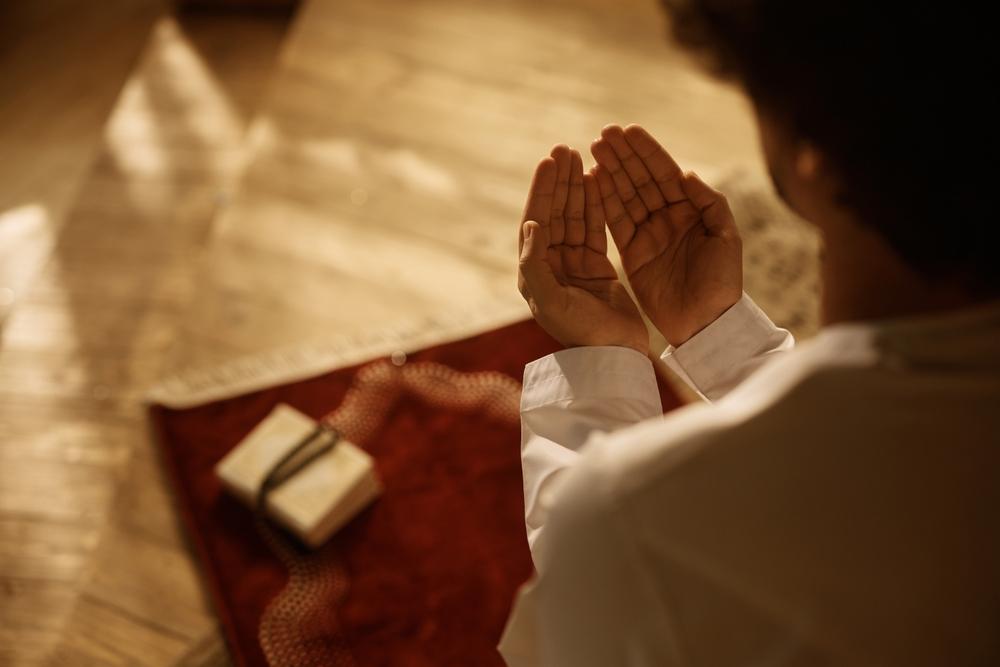
This is the time to spend in making sincere dua to Allah, asking for whatever your heart desires, as well as seeking the forgiveness of Allah. Remember, this is your time to ask for anything big or small, especially during the last third of the night and at the time of breaking your fast, as these are the moments when supplications are most accepted.
"Indeed, in the remembrance of Allah do hearts find peace" [Quran 13:28]. It has been narrated that Prophet Muhammad S.A.W. said “Allah has ninety-nine Names, one hundred less one; and he who memorized them all by heart will enter paradise” [Bukhari].
Reading into the translation of the Quran and understanding it with reflection and contemplation will deepen your knowledge of the verses.
Reading into the Seerah of the Prophet Muhammad S.A.W. would give you an insight into the life that he S.A.W. lived. His way of life is the guidance you need to get closer to Allah.
Joining a group gathering within the mosque to listen to ongoing lectures or discussions will let you learn more through other people’s knowledge around our Deen.
It’s important to take breaks so that you can get back to reciting or studying with a fresh mind. Make sure to set aside time to see to basic needs such as eating, drinking and resting.
Itikaf must be performed in a mosque and cannot be done at home. This can be seen from when Allah mentions in the Quran: “But do not approach them while you are in retreat at the mosques. These are the limits of God, so do not come near them.” [Quran 2:187]
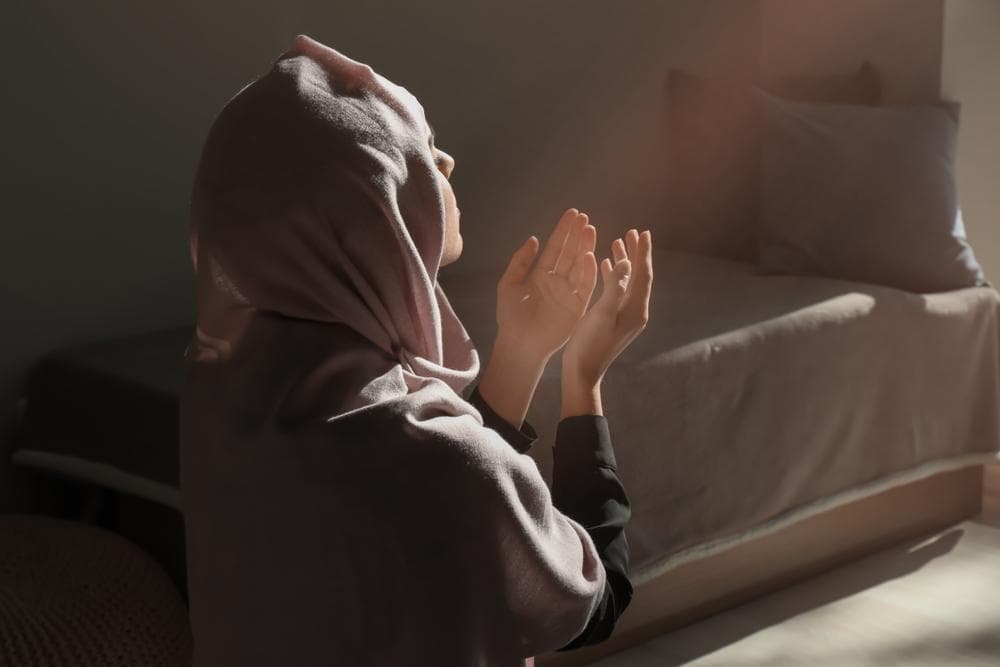
Though men must perform Itikaf in the Mosque, Itikaf is encouraged for women as well. For women to perform Itikaf, they must perform it in a clean, secluded area of their homes, ideally a space designated for worship.
When performing Itikaf at home, women should set clear boundaries so that the purity of the act is maintained. Informing family members about the intention for Itikaf can help ensure there’s no disturbance, and planning can help manage household responsibilities in advance. Just like men, women can reap the same rewards for Itikaf when done sincerely and properly.
In fact, some women find that performing Itikaf at home brings a new sense of peace around them. Setting up a special space with Islamic books, prayer mats and a Qur’an can create a more positive atmosphere. Women should also remind themselves that sincerity in their worship is what counts most, regardless of where they are.
The benefits of Itikaf are to deepen your connection with Allah, with uninterrupted time for prayer and reciting the Quran, ideally renewing the relationship with your Creator. Itikaf not only gives you a chance to follow the Sunnah but also provides time for self-reflection and encourages acts of repentance. Essentially, the core purpose of Itikaf is to pause everyday distractions and strengthen your Iman (faith), earning reward for every moment spent in the remembrance of Allah.
Although there is no specific dua for Itikaf, scholars recommend general supplications that reflect the purpose of sitting for Itikaf. You can make dua for forgiveness, mercy and closeness to Allah.One of the most beautiful supplications to recite during Itikaf, especially in search of Laylatul Qadr, is:Allahumma innaka ‘afuwwun tuhibbul ‘afwa fa’fu ‘anni(O Allah, You are Forgiving and love forgiveness, so forgive me.)
So, coming back to the initial question, what is Itikaf? This special form of worship is the perfect opportunity to hit pause on the chaos of daily life, allowing you to focus entirely on your Creator in the precious last ten days of Ramadan. The rewards for Itikaf are immense, helping you attain success in both this life and the Hereafter. The benefits of Itikaf are clear – seeking closeness to Allah, developing patience, gaining discipline and potentially giving yourself the perfect chance to seek Laylatul Qadr.
With the right intention for Itikaf, sincere dua for Itikaf and thoughtful preparation, this sacred act can become a deeply rewarding and meaningful experience of your life. Don’t underestimate the blessings Itikaf could bring; it may just be the turning point your soul has been waiting for.
Donating to charity is a huge part of Islam. Rewards are multiplied in the month of Ramadan, with Laylatul Qadr (the last 10 nights) known to be better than a thousand months. What better way to increase your rewards by
in the last 10 days of Ramadan, helping the vulnerable across the world. Donate generously and help save lives.

 Develop by